
Introduction
Modern businesses depend on digital systems that stay online, perform quickly, and protect valuable data. Whether a company is launching a startup, expanding a SaaS platform, or managing enterprise applications, reliable technology has become the backbone of success. This is where cloud architecture plays a critical role. It provides the framework that allows software, applications, and digital services to operate efficiently while remaining secure, flexible, and ready for growth. Instead of relying on outdated hardware or limited on-premises systems, organizations can use cloud-based infrastructure to deliver better experiences for customers and employees alike.
For companies like SaaS Software Core, building enterprise-ready software requires more than writing great code. A strong technical foundation includes scalable infrastructure, security, compliance, automation, and optimized deployment strategies. By using modern cloud architecture, businesses can reduce technical risks, improve development speed, and create software that is prepared for long-term growth. This approach supports faster innovation while maintaining the reliability that customers expect from today’s digital services.
The Foundation of Reliable Digital Infrastructure
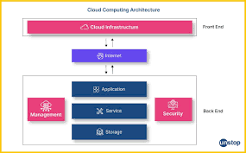
Reliable digital infrastructure begins with a well-designed system that keeps applications available even during periods of high demand. Cloud architecture organizes computing resources such as servers, storage, networking, and databases into a flexible environment that automatically adjusts to changing workloads. Instead of depending on a single physical server, cloud platforms distribute workloads across multiple resources, helping businesses maintain uptime while minimizing service interruptions. This design improves performance and reduces the risk of costly downtime that can impact customer trust and business operations.
For SaaS companies, reliability is essential because customers expect uninterrupted access to their software. Modern cloud environments support automatic backups, disaster recovery, and intelligent resource management that help applications recover quickly from unexpected issues. This level of resilience allows software businesses to deliver consistent user experiences while maintaining operational efficiency. As organizations continue to expand their digital presence, investing in cloud architecture creates a dependable foundation that supports future innovation and long-term business stability.
Improving Scalability for Growing SaaS Businesses
One of the greatest advantages of cloud architecture is its ability to scale alongside business growth. Traditional infrastructure often requires purchasing expensive hardware before it is needed, leading to wasted resources and unnecessary costs. Cloud environments allow businesses to increase or decrease computing power based on real-time demand. This flexibility ensures that applications remain responsive during traffic spikes while reducing expenses during quieter periods. Growing SaaS companies benefit from this efficiency because they can focus on product development instead of constantly upgrading physical infrastructure.
Scalability also accelerates product launches and market expansion. Venture studios and software incubators frequently support multiple products at different stages of development, making flexible infrastructure a major competitive advantage. Cloud-native technologies, containerization, microservices, and automated deployment pipelines enable engineering teams to release updates quickly while maintaining system stability. As customer adoption increases, businesses can confidently expand without rebuilding their entire infrastructure, creating a smoother path toward sustainable recurring revenue and enterprise growth.
Strengthening Security and Compliance
Security remains one of the most important priorities for organizations operating digital products. A carefully planned cloud architecture integrates multiple layers of protection, including identity management, encryption, network security, monitoring, and automated threat detection. These technologies work together to protect sensitive business information while reducing the likelihood of cyberattacks. Strong security practices also help organizations maintain customer confidence, especially when handling financial information, personal data, or confidential business records.
Compliance is equally important for enterprise software providers. Many organizations must follow regulations such as GDPR, SOC 2, and other industry security standards before serving larger customers. Cloud infrastructure simplifies compliance by providing built-in security controls, detailed audit logs, and standardized operational practices. Companies like SaaS Software Core can leverage enterprise-ready infrastructure to help founders build compliant software from the beginning rather than adding security requirements later. This proactive approach reduces development delays while improving readiness for enterprise partnerships and investment opportunities.
Accelerating Software Development and Innovation
Development speed often determines whether a software company leads the market or falls behind competitors. Cloud architecture supports modern DevOps practices by automating infrastructure management, continuous integration, continuous deployment, and application monitoring. Engineering teams spend less time configuring servers and more time creating valuable product features. Automated testing and deployment also reduce human error, allowing new updates to reach customers faster while maintaining software quality and reliability.
Innovation becomes easier when developers have access to flexible cloud services. Artificial intelligence tools, managed databases, analytics platforms, serverless computing, and API integrations can all be deployed rapidly without significant infrastructure investment. This allows software startups and enterprise teams to experiment with new ideas while minimizing technical complexity. Venture studios focused on building scalable SaaS companies benefit from this environment because they can validate concepts quickly, improve products continuously, and reduce overall time-to-market through standardized engineering frameworks.
Supporting Enterprise Growth Through Intelligent Infrastructure
As software companies grow, infrastructure must evolve alongside customer expectations. Enterprise clients demand high availability, consistent performance, advanced security, and seamless integration with existing systems. Cloud architecture provides the flexibility needed to support these requirements without creating unnecessary operational complexity. Load balancing, geographic redundancy, distributed databases, and intelligent monitoring ensure applications continue performing efficiently even as user numbers increase significantly.
A strategic infrastructure approach also supports long-term business goals beyond technical performance. Reliable cloud environments improve customer satisfaction, strengthen investor confidence, and create a foundation for international expansion. Organizations that combine scalable engineering practices with secure infrastructure are better positioned to attract enterprise customers, secure funding, and build sustainable recurring revenue models. By integrating cloud architecture into every stage of product development, businesses create resilient digital ecosystems that support continuous innovation and measurable growth.
Why Cloud Architecture Is Essential for Future-Ready SaaS Companies
The software industry continues evolving as customer expectations, cybersecurity requirements, and technology standards become more advanced. Businesses that rely on outdated infrastructure often struggle with performance limitations, rising maintenance costs, and slower product development. Cloud architecture provides a future-ready solution by supporting automation, scalability, security, and operational efficiency within a unified technology ecosystem. This allows organizations to adapt quickly to market changes while maintaining reliable digital services that customers can trust.
For venture studios such as SaaS Software Core, investing in enterprise-grade cloud infrastructure creates lasting value for founders and software companies alike. Combining technical expertise with secure cloud environments, validated engineering frameworks, compliance readiness, and scalable deployment strategies helps transform promising software ideas into successful SaaS businesses. As digital transformation continues across every industry, organizations that embrace cloud architecture will be better equipped to innovate, compete, and build resilient platforms capable of supporting long-term success.
Conclusion
Reliable digital infrastructure is no longer optional for modern software businesses. It forms the backbone of scalable applications, secure operations, and outstanding customer experiences. By implementing cloud architecture, organizations gain the flexibility to scale efficiently, strengthen cybersecurity, improve compliance, accelerate software development, and support continuous innovation. These capabilities help businesses reduce technical risk while creating a stronger foundation for sustainable growth.
For SaaS-focused organizations, the value of cloud architecture extends beyond technology. It enables faster product launches, supports enterprise expansion, and creates the operational resilience required in today’s competitive software market. Companies like SaaS Software Core demonstrate how combining elite engineering, secure infrastructure, and proven growth strategies empowers founders to transform innovative ideas into enterprise-grade SaaS companies prepared for long-term success.